
Spaces Designed for Discovery
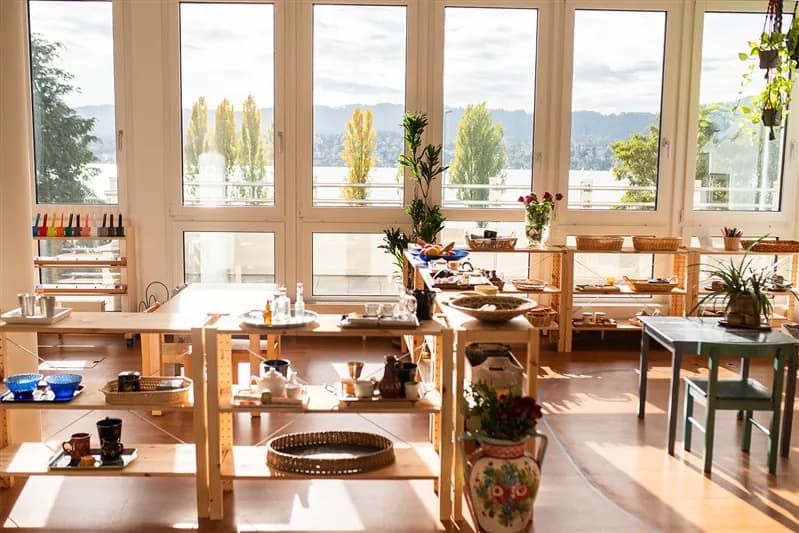
Every classroom, shelf, and material in our school is a part of our carefully prepared environment — designed so children can learn independently, with purpose and joy.
We Believe in Empowering…
Children take charge of their own learning journey. Our environments are not just classrooms — they are living spaces where curiosity is nurtured, independence is built, and every child finds their own path to discovery.
By nurturing a carefully prepared environment, we create the conditions for children to develop deep concentration, self-discipline, and a genuine love of learning. Every material has a purpose, every space invites exploration.
We follow the child's lead, observing their interests and developmental needs, then preparing the environment to meet them exactly where they are. This is the heart of the Montessori approach.
Our School Animals
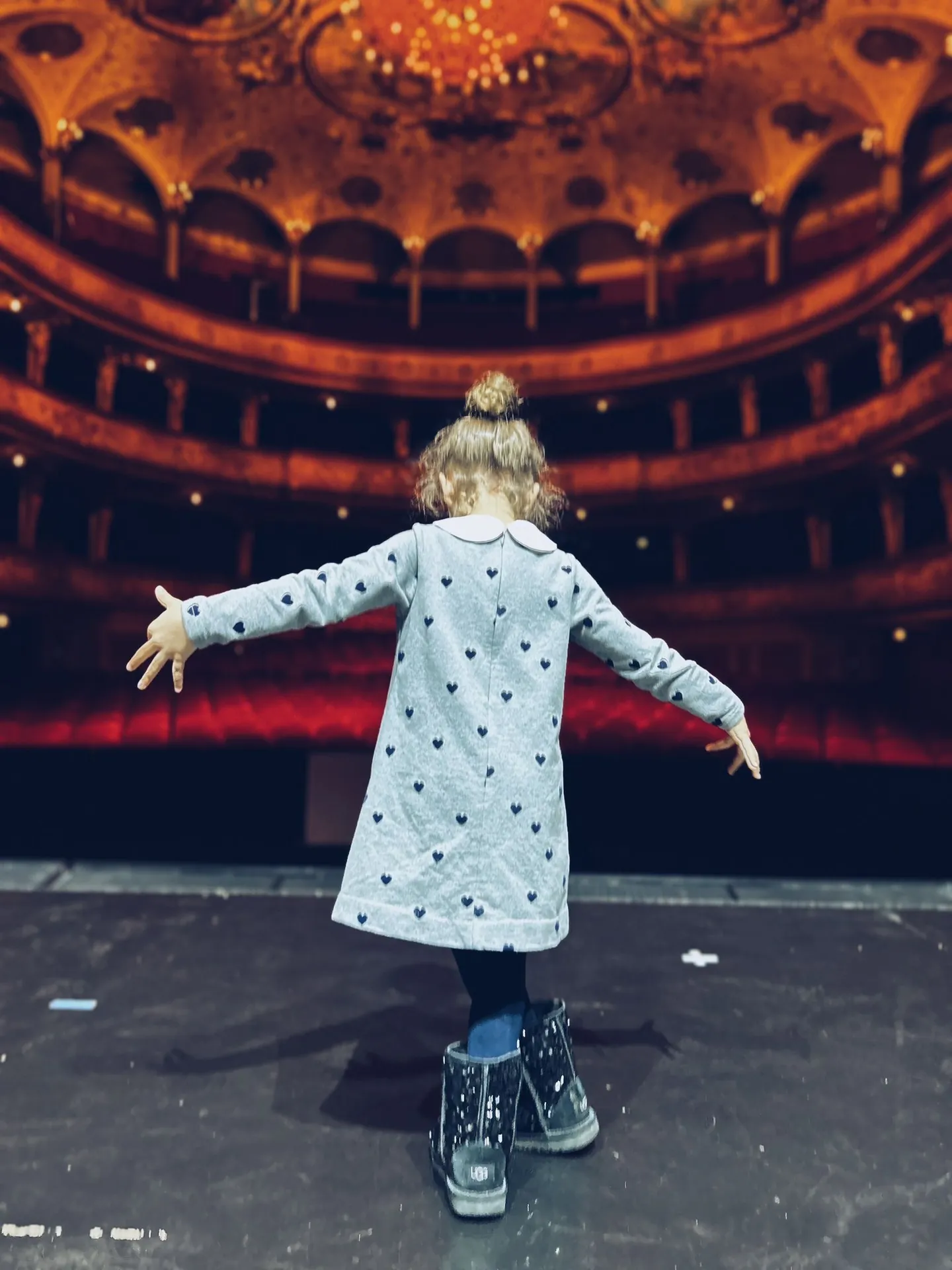
Several dogs, giant rabbits (also known as Deutsche Riesen), tortoises, axolotls, frogs, and fish — at Serendipity, animals are an integral part of the learning environment. Through daily interaction and shared responsibility, children develop empathy, emotional intelligence, social awareness, and a deep sense of care and respect for living beings. Living alongside animals provides meaningful opportunities to practice responsibility, cooperation, and gentle communication.
School Dogs
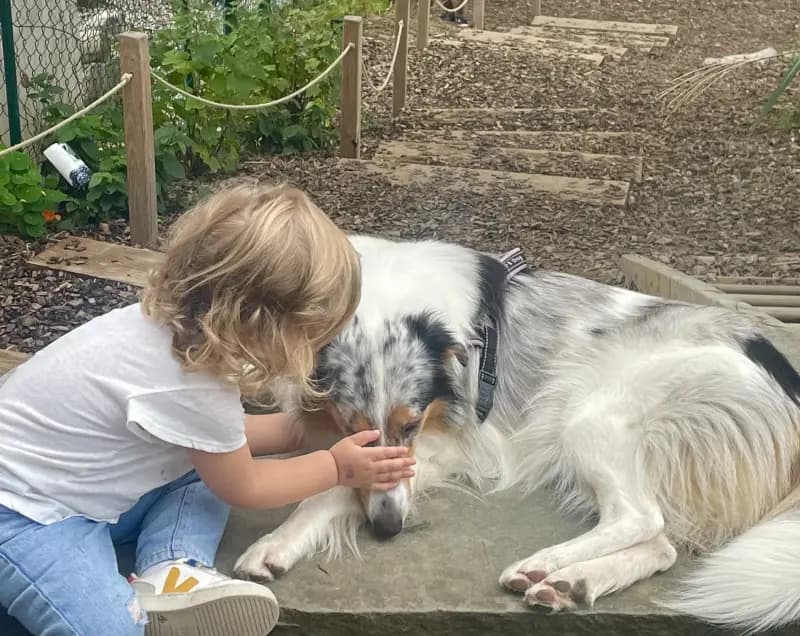
Our gentle school dogs are always present — joining circle time, offering comfort as loyal companions when a child needs a cuddle or faces a challenging task, or simply walking alongside the children through the forest. Through these daily interactions, children learn how to approach animals with respect, calmness, and confidence. A daily lesson in empathy.
Giant Bunnies
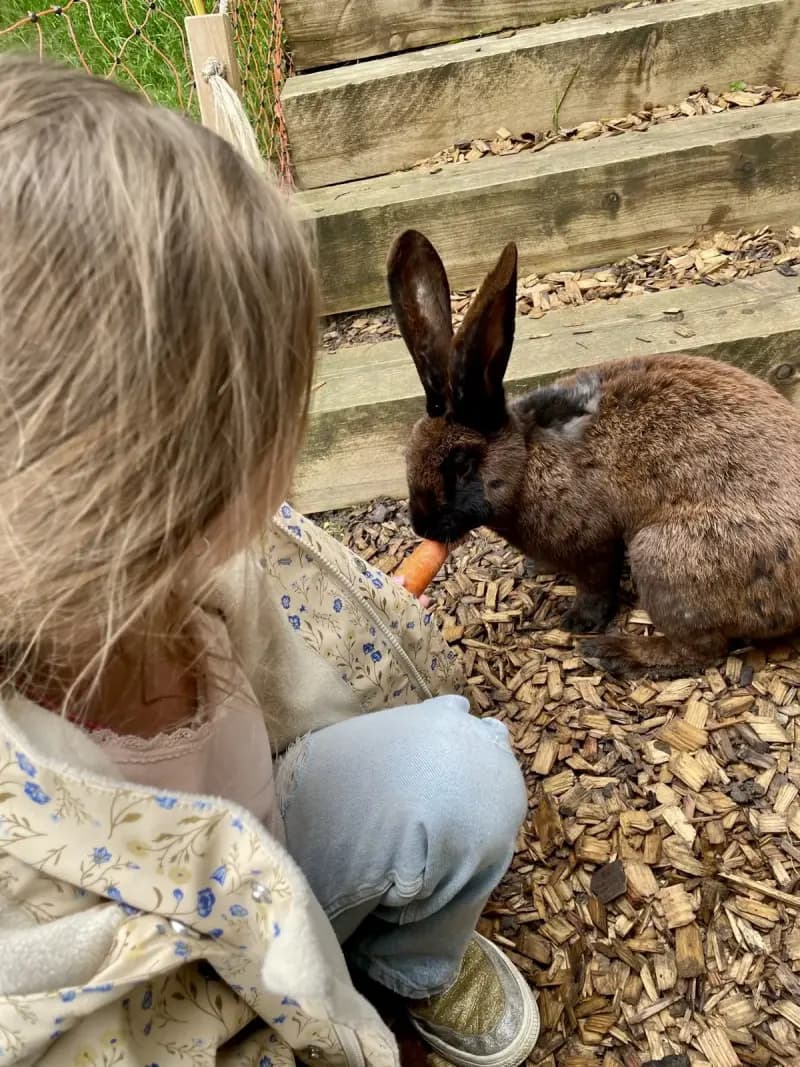
Our giant bunnies, also known as Deutsche Riesen, live in our 450m² school garden. Children feed them, clean their environment, and learn about their habits and needs. Caring for a living being fosters a deep sense of responsibility, patience, and respect in a way few other experiences can.
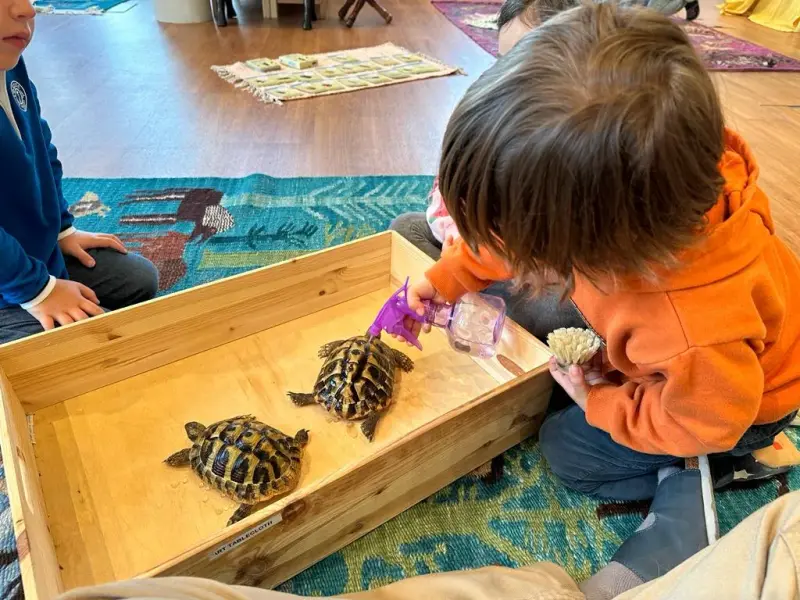
Tortoises
Slow, steady, and endlessly fascinating. Our tortoises teach patience and observation — children watch, draw, and learn about lifecycles and habitats firsthand.
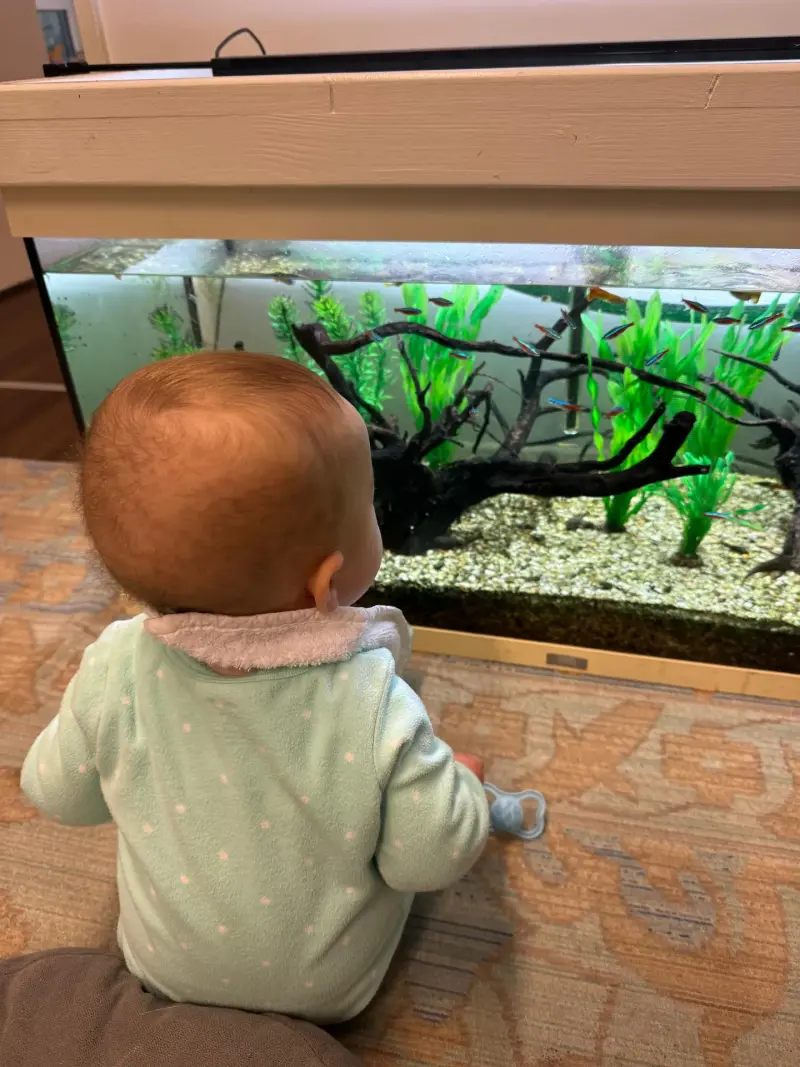
Fish Tanks
Even our youngest children in the Nido and Toddler environments are captivated. The fish tanks are a source of wonder and calm — children spend long moments watching, pointing, and discovering the underwater world.
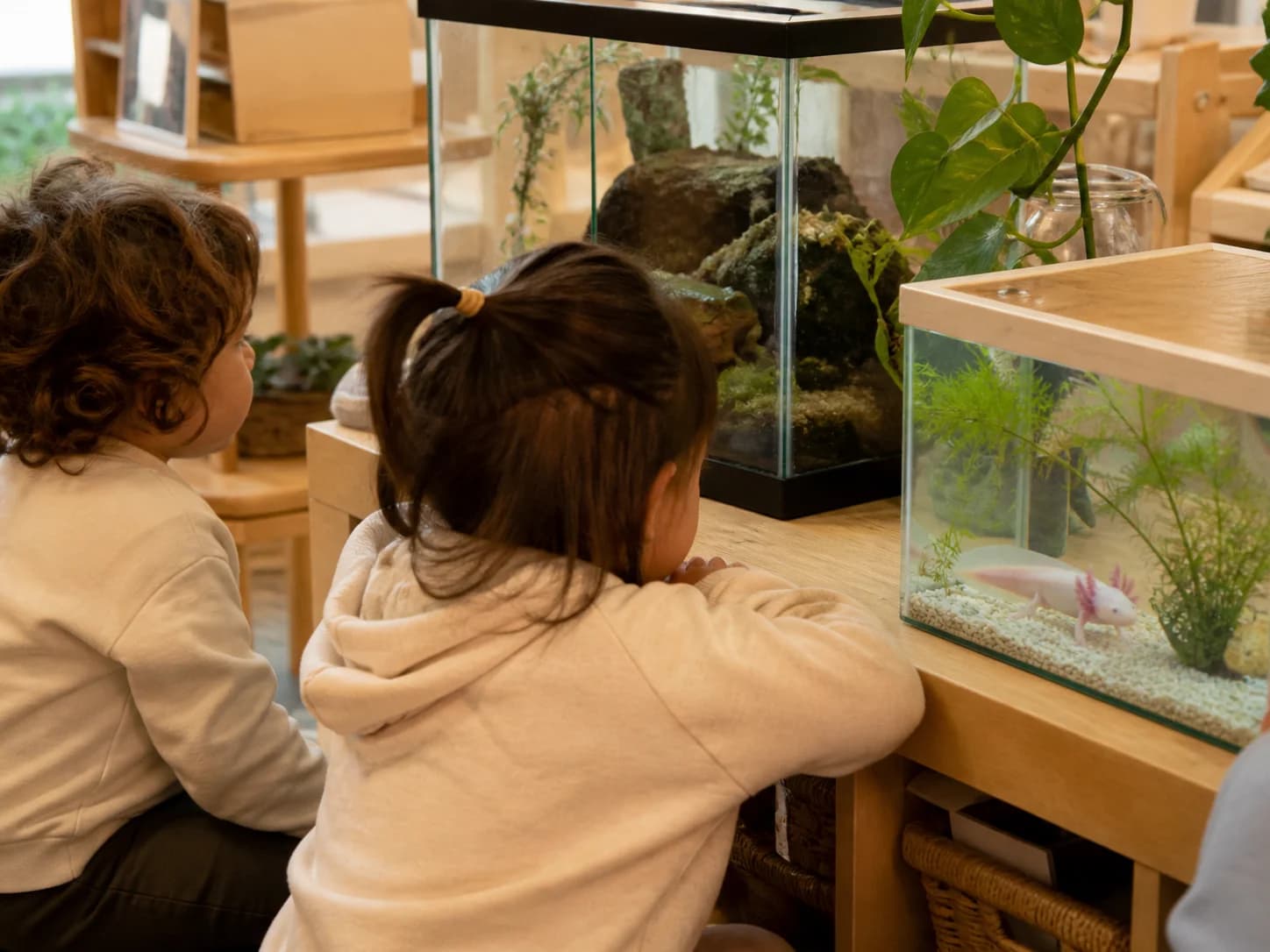
Frogs & Axolotls
Our frogs and axolotls bring a sense of wonder to the classroom. Children observe their unique features, learn about aquatic habitats, and develop a deeper understanding of biodiversity and the natural world.
Elementary Program (Ages 6–9) — Learning with Purpose and Curiosity
Our Elementary program for children aged 6 to 9 follows the educational philosophy of Dr. Maria Montessori and the standards of the Association Montessori Internationale (AMI). At this stage, children are curious, imaginative, and eager to understand how the world works. Our program nurtures this natural drive through meaningful academic learning, collaboration, and real-world experiences, all aligned with the Swiss Lehrplan 21 curriculum (L21) to ensure continuity with national educational standards.
Inspired by the Great Lessons
Learning begins with the Great Lessons — powerful stories about the universe, life, humans, language, and mathematics. These lessons spark imagination and curiosity, encouraging children to ask questions, explore big ideas, and see connections across subjects. They provide the foundation for research, creativity, and a lifelong love of learning.
Strong Academics Through Exploration
Academic learning in the Elementary classroom is both rigorous and engaging. Children work individually and in small groups, progressing at their own pace while developing strong skills in reading and writing, mathematics and problem-solving, science and discovery, geography and history, and research and presentation.
Project-Based Learning and Teamwork
Project-based learning is a central part of the Elementary experience. Children investigate topics, often working collaboratively with peers. They learn how to plan, research, experiment, and present their ideas — building independence, responsibility, and strong communication skills.
Learning Beyond the Classroom
Education in the Elementary program extends into the real world. Children participate in excursions, outdoor learning, and community experiences that connect academic knowledge to everyday life. These opportunities encourage independence, curiosity, and a sense of responsibility toward the environment and society.
Timelines and Big Picture Thinking
Timelines help children understand the story of the universe, the development of life, and the history of human civilization. By exploring these connections, children gain perspective, develop critical thinking skills, and recognize their place in the world.
Growing Independence and Responsibility
Our Elementary classroom is a supportive community where children learn to manage their time, make decisions, and take responsibility for their work and their environment. With guidance from trained Montessori educators, they develop confidence, resilience, and a strong sense of purpose. The result is a learning experience that combines academic excellence, curiosity, collaboration, and real-life understanding — preparing children not only for the next stage of school but also for life.
Creativity in Every Classroom
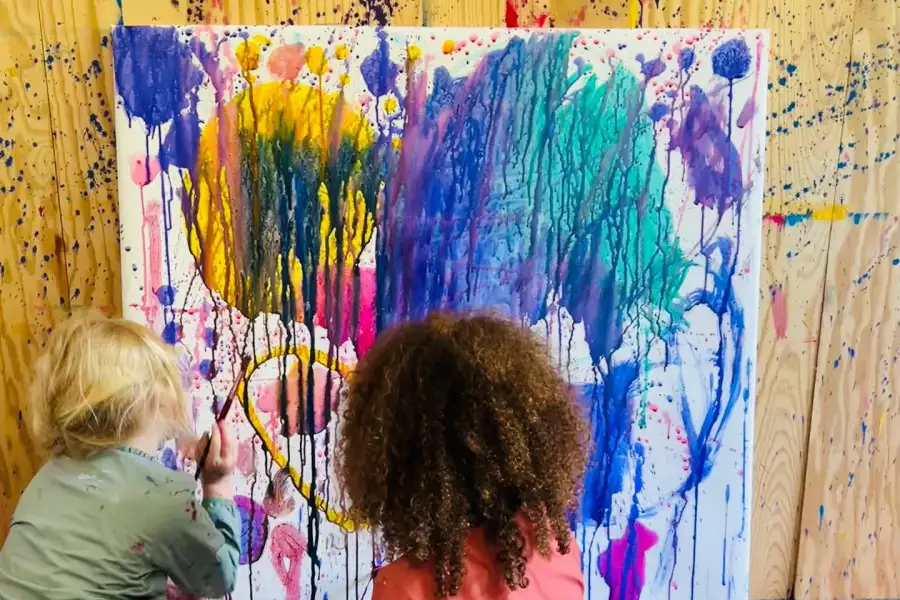
At Serendipity, creative expression isn't confined to a single room — it's woven into the fabric of every classroom. Art, music, and hands-on making should happen wherever learning happens.
Painting & Drawing
Easels, canvases, and natural materials are always accessible. Children paint, draw, and explore color freely — creativity is part of the daily rhythm, not a separate lesson.
Music & Movement
Instruments, rhythm exercises, and dance are integrated into daily classroom life. Children discover melody, coordination, and self-expression as a natural part of their day.
Crafting & Building
From clay and collage to simple woodworking projects — children work with real materials and real tools, developing fine motor skills and pride in what they create.
Art History
Art class is a journey through time and culture. Children learn about an artist's life, biography, country, and traditions while practicing authentic artistic techniques. By connecting creativity with history and culture, we offer an immersive art history experience that brings learning to life.
Forest & Nature
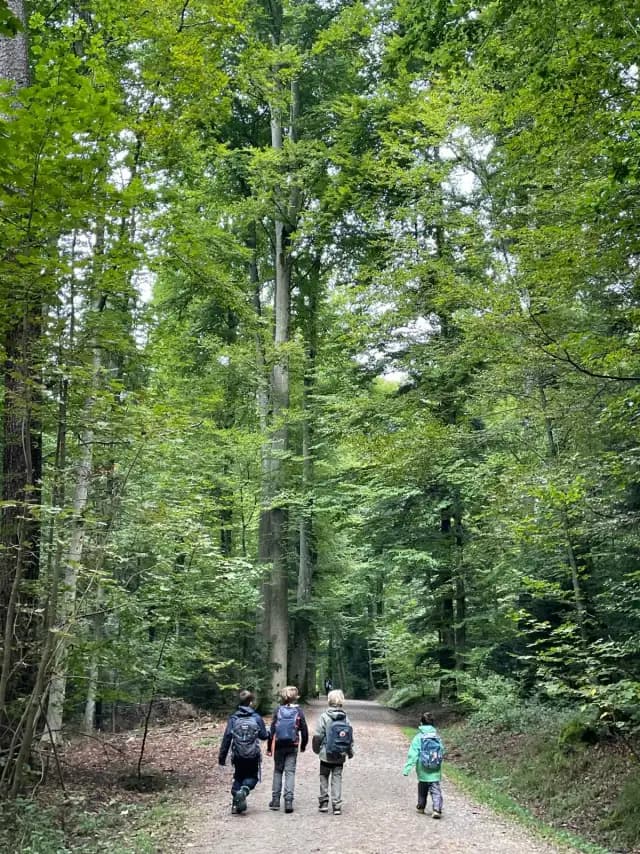
In addition to daily time in the garden as well as excursions around Zurich, once a week each class has its own dedicated Forest Day. Rain or shine, snow or sun — children head into the Swiss forest to play in streams, climb trees, cook outdoors, and build snowmen when winter arrives.
Outdoor Academics
Children learn academics outdoors through real-world exploration, such as leaf shapes, water temperatures, different habitats, measuring, and observation.
Streams, Trees & Exploration
Children play in streams, climb trees, build shelters, and explore freely. Nature is the playground — every season brings new discoveries.
Outdoor Cooking
From campfire meals to forest picnics — children cook and eat together outdoors, connecting practical life skills with the natural world.
Vegetable Gardens
Our garden is a living classroom where children plant, water, weed, and harvest their own vegetables. Along the way, they learn about plant life cycles, soil, weather, nutrition, and sustainability. Maintaining the garden fosters independence, practical life skills, and an understanding of how food is grown.
All Seasons, All Weather
Building snowmen in winter, splashing in puddles in spring, picking berries in summer. There is no bad weather — only new adventures.
“In Montessori education, learning happens through three teachers: the adult, the child, and the environment. The adult guides, the child explores, and the thoughtfully prepared environment fosters independence, curiosity, and discovery.”
Discover Our Spaces
The best way to understand our environments is to experience them firsthand. Book a tour and see how every space supports your child's natural development.